
Take urgent action to combat climate change and its impacts
- United Nation's sustainable development goal 13:
The last decade has been the warmest ever recorded, due to increasing levels of CO2 and other greenhouse gas levels in the atmosphere. This is posing some serious threats to the world we are living in, causing more extreme weather, rising of sea levels and increased temperature. In result, increasingly larger land areas are becoming uninhabitable and the number of climate refugees increases. These are only some of the devastating consequences of climate change that will continue to develop unless we all come together and take urgent action. [Source 1]
Hazardous waste disposal harms the environment
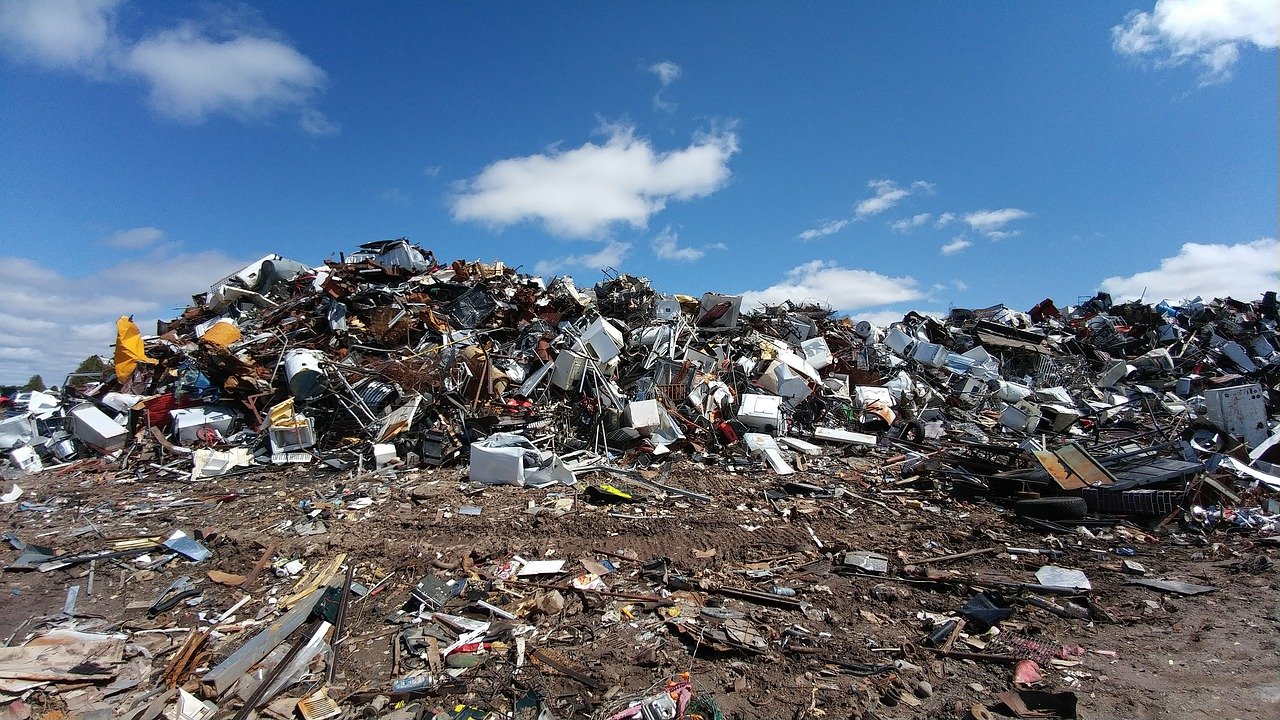
Wrongful recycling of hazardous waste has disastrous consequences on the environment. In spite of this, it happens every day by both big corporations and consumers. The result can be catastrophic, as most hazardous waste products consist of chemicals and other dangerous materials. This has the potential of contaminating soil, air or water if not carefully taken care of and recycled correctly. The environmental consequences of this are both comprehensive and devastating, and consist of both short-term and long-term effects [Source 3]:
Consequences in the short-term
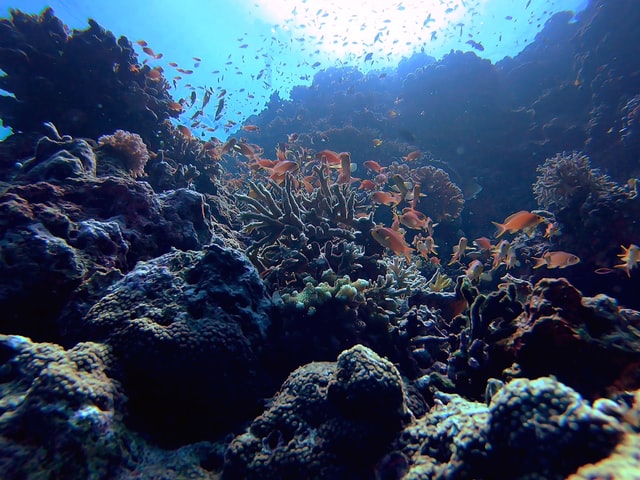
The short-term effects are related to water pollution.
When chemicals are recycled incorrectly,
they risk pouring into our waterways and thus make streams,
rivers, lakes and aquifers unsafe to drink or use for
agricultural purposes. At worst, animals and plants get
sick or may even die when drinking these waters, and
human health in areas downstream also risk being affected.
Consequences in the long-term
The long-term effects are truly chilling.
This include horrifying effects such as signs of mutation in
animals, as well as cancer and other serious diseases in humans.
We risk having trash in our waterways and green spaces, in
addition to the destruction of some key natural resources. We
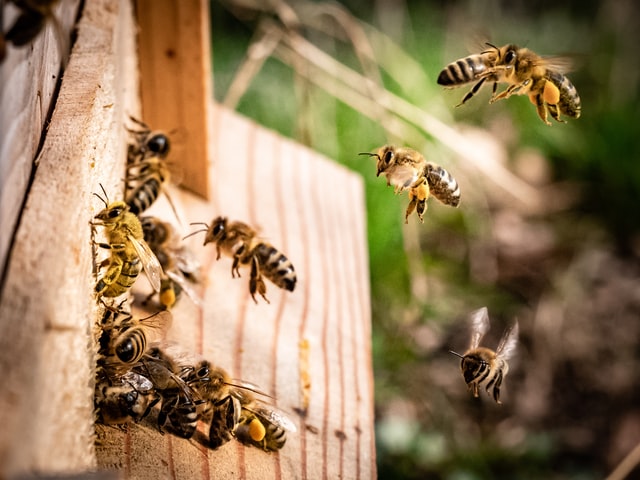
also risk seeing the extinction of animal, plant and insect
species.
SØPL - Our solution
More often than not, consumers are unaware of how they are supposed to recycle their hazardous waste, such as electronic products. [Source 5]
A research conducted by RENAS revealed that even though most Norwegians claim to recycle such products after use, there is major room for improvement. A significant amount of the participants leaves their electronic waste piling up at home after they are done using them. The reason being that they do not know how to get rid of their old products. [Source 4]
As the graph below illustrates, consumers are requesting better information, increased number of trash cans and an increased number of places where they can recycle hazardous waste. SØPL is a direct respond to these commands, making recycling of hazardous waste easier and more rewarding for consumers.
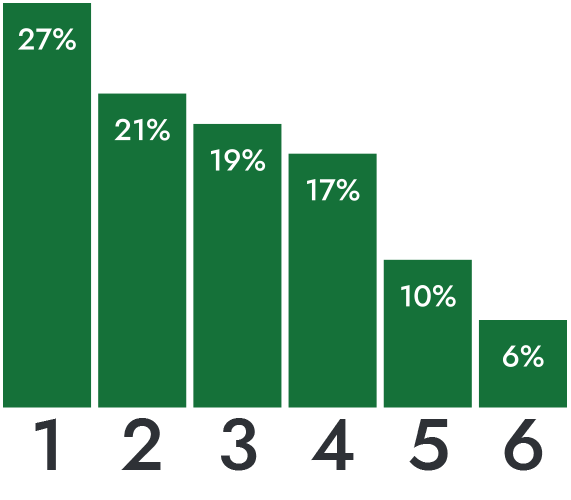
What would contribute to people recycling more electronic waste [Source 4]:
- More waste collection locations (27%)
- Better waste labeling (21%)
- More waste bins (19%)
- Better information (17%)
- Other (10%)
- Don't know (6%)